

Understanding Dog Body Language and Stress Signals
Dogs communicate with us constantly but much of their communication happens through body language rather than vocal sounds. Learning to recognise these signals can help owners better understand how their dog is feeling in different situations.
Dogs use a combination of posture, facial expressions, ear position, tail movement, and subtle behaviours to communicate comfort, uncertainty, excitement, or stress. These signals often appear before a dog shows more obvious reactions such as barking, growling, or snapping.
Understanding these early signals allows owners to respond appropriately and help prevent situations where a dog may feel overwhelmed.
Recognising dog body language can be especially helpful when:
• introducing dogs to new environments or experiences
• interacting with unfamiliar dogs
• helping children learn how to safely approach dogs
• supporting puppies as they develop confidence
By learning to recognise and respect these signals, owners can help create safer and more positive interactions for both dogs and people.
Understanding why dogs use body language can help explain many of the behaviours owners see in everyday situations.
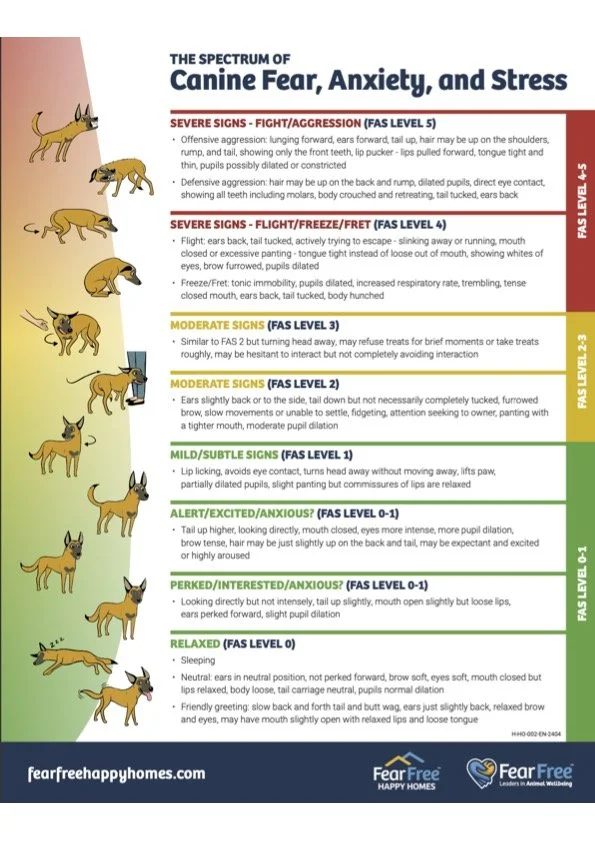
Why Dogs Use Body Language
Dogs use body language as their primary way of communicating how they feel about what is happening around them. Long before a dog barks, growls, or reacts strongly, they often show subtle signals that help others understand whether they feel comfortable, uncertain, or overwhelmed.
Many of these signals are intended to avoid conflict and create space, rather than to challenge or threaten. For example, a dog may look away, lick their lips, yawn, or move their body away from a situation that feels uncomfortable. These behaviours are sometimes called calming signals because they help reduce tension and communicate that the dog would prefer a calmer interaction.
When these early signals are recognised and respected, dogs often feel more secure and are less likely to escalate their behaviour. However, when these signals are missed or ignored, a dog may feel the need to use stronger communication such as growling, snapping, or retreating quickly.
Learning to recognise and respond to early body language cues helps owners support their dog’s emotional wellbeing and creates safer interactions between dogs and people.
Some body language signals indicate that a dog is feeling relaxed and comfortable, while others suggest the dog may need more space or support.
Signs a Dog Is Relaxed and Comfortable
When a dog feels safe and comfortable, their body language is usually loose, balanced, and relaxed. Recognising these signals can help owners understand when a dog is enjoying an interaction or feeling confident in their environment.
Common signs that a dog is relaxed may include:
• a loose, relaxed body posture
• soft eyes and a relaxed facial expression
• ears resting naturally in their usual position
• a gently wagging tail or a tail held in a neutral position
• relaxed mouth, sometimes slightly open
• calm curiosity about their surroundings
Dogs who feel comfortable will often move freely and show interest in the people or environment around them. They may approach voluntarily, explore new spaces, or engage in play.
Every dog expresses comfort a little differently depending on their personality and breed. For example, some dogs have naturally upright ears or curled tails, so it is helpful to observe your dog’s normal relaxed behaviour and use that as a guide.
Understanding what your dog looks like when they are comfortable can make it easier to recognise when something has changed and your dog may be feeling uncertain.
In some situations, dogs may show subtle signals that suggest they are beginning to feel unsure or uncomfortable. Recognising these early signals can help prevent stress from escalating.
Early Signs of Stress or Discomfort
Before a dog shows obvious signs of fear or aggression, they often display subtle behaviours that indicate they are feeling uncertain or uncomfortable. These early signals are an important part of how dogs communicate and are often an attempt to reduce tension or avoid conflict.
Many of these behaviours are sometimes referred to as calming signals, because they help dogs communicate that they would prefer a situation to slow down or become less intense.
Common early signs of stress may include:
• lip licking when food is not present
• yawning when the dog is not tired
• turning the head away or avoiding eye contact
• sniffing the ground suddenly during an interaction
• slow or hesitant movement
• lifting a paw or shifting weight away
• appearing suddenly distracted
These signals can appear very quickly and are sometimes easy to miss. However, they are valuable indicators that a dog may be starting to feel uncomfortable.
When these early signals are recognised, giving the dog more space, reducing the intensity of the interaction, or allowing the dog to move away can help them feel more secure.
Responding to these signals early often prevents situations from escalating and helps build trust between dogs and the people around them.
If a dog continues to feel uncomfortable, their body language may become more obvious as they try to create more distance from the situation.
Commonly Misunderstood Dog Signals
Some dog behaviours are often misunderstood because they can look similar in different situations. Learning to recognise the context of these signals can help owners better understand what their dog may be communicating.
For example:
Tail wagging
A wagging tail does not always mean a dog is happy. The speed, height, and stiffness of the wag can indicate excitement, uncertainty, or tension.
Yawning
Dogs sometimes yawn when they feel stressed or uncomfortable, not only when they are tired.
Lip licking
Quick lip licking when no food is present can be a sign that a dog is feeling unsure or trying to calm a situation.
Turning away
Looking away or turning the head can be a dog’s way of politely asking for space.
Understanding these subtle signals can help owners respond earlier and support their dog before stress increases.
Signs a Dog Needs Space
If early stress signals are not recognised or a dog continues to feel uncomfortable, their body language may become more obvious. These signals are the dog’s way of clearly communicating that they need more space or that the situation is becoming overwhelming.
More obvious signs that a dog may need space can include:
• stiffening of the body
• freezing or becoming very still
• showing the whites of the eyes (“whale eye”)
• growling or low vocalisation
• baring teeth or lifting the lip
• backing away or attempting to leave the situation
• tail tucked tightly under the body
These behaviours are important communication signals and should not be punished. Growling, for example, is a dog’s way of warning that they are uncomfortable and asking for distance.
If these signals are ignored or suppressed, a dog may feel they have no other way to communicate their discomfort.
When a dog shows these signs, the safest response is to pause the interaction, give the dog space, and allow them to move away if they choose.
Learning to recognise and respect these signals helps protect both dogs and people and supports safer, more positive interactions.
Owners can also take steps to help their dogs feel more comfortable in situations that may otherwise cause stress.
Respecting Your Dog’s Communication
When dogs communicate discomfort through body language, they are providing important information about how they are feeling.
Signals such as growling, moving away, or freezing are often a dog’s way of asking for space rather than attempting to be aggressive. These warning signals help prevent situations from escalating.
Punishing or suppressing these signals can remove a dog’s ability to communicate discomfort. Instead, recognising the signal and adjusting the situation helps build trust and supports safer interactions.
Responding calmly and giving the dog space allows them to relax and helps prevent stress from increasing.
Helping Your Dog Feel Safe
When a dog shows signs of uncertainty or stress, small changes in the environment or interaction can often help them feel more comfortable.
Allowing dogs the option to move away from situations they find overwhelming is an important part of supporting their emotional wellbeing. Dogs who feel they have control over their space are often more relaxed and confident.
Owners can help their dogs feel safer by:
• allowing the dog to approach people at their own pace
• avoiding forced interactions such as hugging or restraining
• providing a quiet space where the dog can rest undisturbed
• keeping new experiences gradual and positive
• rewarding calm behaviour with gentle praise or treats
Supporting dogs in this way helps them learn that new experiences are safe and manageable. This approach is particularly important for puppies as they learn about the world around them.
Positive early experiences help build confidence and reduce the likelihood of fear-based behaviour later in life.
Gentle handling and positive experiences during everyday care, including grooming and veterinary visits, can also help dogs feel more comfortable with routine handling.
Teaching children to recognise these signals is also an important part of creating safe interactions between dogs and people.
Teaching Children to Read Dog Body Language
Children and dogs can form wonderful relationships, but it is important that children learn how to recognise when a dog is comfortable and when a dog may need space.
Young children may not naturally notice subtle body language signals, so helping them understand these signs can reduce misunderstandings and support safer interactions.
Some simple guidelines that can help children interact safely with dogs include:
• allow the dog to approach first rather than moving quickly toward them
• avoid hugging, climbing on, or leaning over the dog
• do not disturb a dog while they are eating, sleeping, or resting in their bed
• watch for signs that the dog may want space, such as turning away or moving away
• speak calmly and move gently around dogs
Supervision is especially important when young children and dogs are together. Even very gentle dogs may feel uncomfortable if they are handled in ways they do not understand.
Helping children learn to recognise dog body language encourages respectful interactions and helps both children and dogs feel more comfortable with one another.
Early learning about body language is particularly helpful for puppies as they develop confidence and social skills.
Supporting Puppies as They Learn to Communicate
Puppies begin learning how to communicate with both dogs and people from a very young age. As they grow, they develop a wide range of body language signals that help them express excitement, curiosity, uncertainty, or the need for space.
During puppyhood, positive experiences play an important role in helping puppies develop confidence. Gradual exposure to new environments, people, and gentle handling helps puppies learn that unfamiliar situations can be safe and manageable.
Owners can support this learning process by:
• allowing puppies to explore new environments at their own pace
• rewarding calm behaviour with praise or treats
• avoiding overwhelming situations during early development
• providing regular opportunities for positive social experiences
Understanding puppy body language during this stage can help owners recognise when a puppy is feeling confident and when they may need additional reassurance or space.
Our Puppy Socialisation guide provides more information about helping puppies develop confidence through positive early experiences.
If you are unsure about your dog’s behaviour or body language, seeking advice early can help prevent small concerns from becoming more significant problems.
When to Seek Behaviour Advice
Most dogs communicate their feelings through body language long before behaviour becomes a concern. Learning to recognise these signals can help owners respond early and support their dog more effectively.
However, if a dog frequently shows signs of fear, anxiety, or discomfort in everyday situations, it may be helpful to seek guidance. Early advice can often prevent behaviour from becoming more challenging over time.
Situations where support may be helpful can include:
• frequent signs of fear or avoidance
• growling or snapping during handling
• difficulty coping with visitors, grooming, or veterinary visits
• persistent anxiety in new environments
A veterinary team can help assess whether there may be underlying health factors influencing behaviour and can provide guidance on appropriate next steps.
Addressing concerns early helps support a dog’s confidence and wellbeing, while also helping owners feel more comfortable understanding their dog’s communication and behaviour.